
When the Leadership Coach Becomes the Learner
I've often told young entrepreneurs that if they want to prepare themselves for the challenges of starting and growing a business, they should consider getting involved in an election campaign.
Why? Because few experiences demand such a broad range of leadership and business skills in such a short period: Communications. Marketing. Strategy. Planning. Public speaking. Social media. Relationship building. Networking. Time management. Conflict resolution. Adaptability. Resilience.
Perhaps most importantly, learning how to influence people when you have little or no positional authority.
Having now run for public office four times, most recently for Richmond City Council, I've come to appreciate just how valuable these experiences can be.
As an executive and leadership coach, I've spent years helping others strengthen many of these capabilities, yet every campaign has challenged me to apply them in unfamiliar situations, experiment with different approaches, and discover something new about myself.
Sometimes the best leadership classroom isn't a classroom at all. It's an experience that pushes us beyond what's comfortable.

1. Leadership Without Authority: The Ultimate Test
In many organizations, senior leaders benefit from positional authority. They can establish priorities, assign responsibilities, allocate resources, and expect others to follow through.
An election campaign is different. You cannot direct residents to listen to you. You cannot require volunteers to contribute their time. And you certainly cannot expect someone to support your candidacy simply because you believe you have good ideas.
You must earn attention, credibility, trust, and support: that requires a different kind of leadership.
For senior executives, this can be particularly revealing. When your title carries little weight, how effectively can you communicate your purpose, connect with others, and influence through relationships rather than authority?
Leadership reflection: If your title and organizational authority disappeared tomorrow, how effectively could you still lead?
2. Ask Before You Tell: The Power of Curiosity
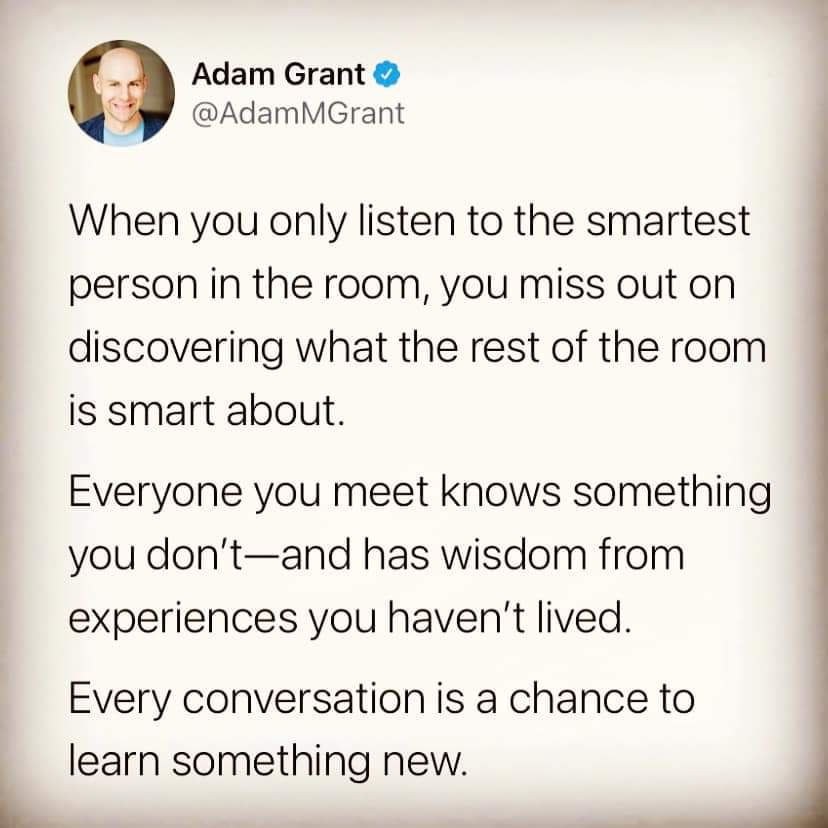
One of my most valuable experiences came from knocking on doors when residents frequently asked, "Why are you running?" or "What's your platform?"
Rather than immediately launching into a prepared explanation, I often asked:
"What's most important to you about the future of Richmond?"
That simple question changed the conversation.
Some residents raised concerns about financial accountability, including the City's gift card controversy or governance of the Richmond Olympic Oval. Others wanted to discuss housing, neighbourhood safety, transportation, or development.
By first understanding their interests, I could respond with information and perspectives relevant to them which was far more productive than delivering the same message to everyone. This reinforced something central to my coaching practice:
Effective communication begins with understanding, not explaining.
The same principle applies to business owners meeting prospective customers, executives engaging employees, and leaders introducing organizational change.
Try this: Before your next important conversation, ask one question that helps you understand what matters most to the other person. Listen before offering your perspective.

3. Disagreement Is an Opportunity to Learn
Not every conversation was easy as some residents held strong views based on information I believed was inaccurate. Others attributed problems to municipal government that were actually, provincial or federal responsibilities.
At times, it was challenging to listen patiently without immediately correcting the information but my background in conflict coaching reminded me that being factually correct doesn't automatically make a conversation productive.
I found that listening deeply, acknowledging concerns, asking questions, and respectfully clarifying information could sometimes shift a conversation from confrontation toward collaboration. We didn't always agree but we often developed a better understanding of each other's perspectives.
Research by Harvard Kennedy School's Julia Minson and colleagues on receptiveness to opposing views reinforces the importance of demonstrating a willingness to consider perspectives different from our own.
Leadership reflection: When someone challenges your views, are you genuinely curious about their reasoning, or primarily preparing your response?

4. Running a Campaign Is Like Running a Business
This is a lesson I frequently share with aspiring entrepreneurs.
Consider what it takes to organize and execute an election campaign. You need a compelling purpose, a clear strategy, effective marketing, strong communications, relationships, resources, volunteers, operational discipline, and the ability to respond quickly when circumstances change.
Sound familiar?
For several months during my most recent campaign, I canvassed neighbourhoods for approximately an hour many evenings. During the final weeks, I participated in daily sign waving, maintained social media communications, researched complex issues, and helped coordinate volunteers and activities.
I maintained high energy throughout and received encouraging feedback from fellow candidates about my commitment, but the experience reinforced that effort alone isn't enough. You need priorities, systems, and strategic alignment.
Our RITE Richmond team brought different strengths and experiences, but we also faced challenges agreeing on an overall strategy and coordinated election plan. Three of our four candidates were ultimately elected.
The experience reminded me that a group of committed capable individuals doesn't automatically become an aligned, high-performing team. The same applies to growing businesses, executive leadership teams, directors on a board, or leading projects or project teams.
Try this: Ask your leadership team members to independently identify your organization's three most important priorities. Compare their answers. Where do you see alignment—or confusion?
5. Experiment, Reflect and Grow
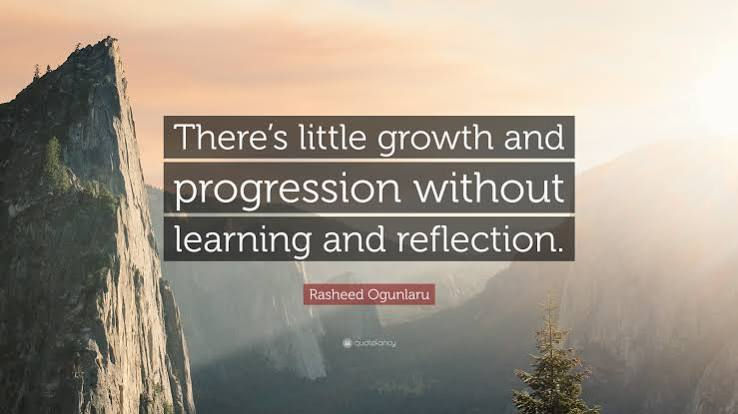
One of the less obvious benefits of participating in a campaign is the opportunity to intentionally experiment with how you lead. You might test different ways of introducing yourself, explaining a complicated issue, asking questions, presenting to an audience, responding to criticism, or engaging people through social media.
Some approaches work better than others and the feedback can be immediate.
For experienced executives, this can offer a valuable development opportunity outside their usual organizational environment, where experimenting with unfamiliar behaviours may feel professionally risky. Of course, public campaigning brings its own reputational risks and responsibilities. It isn't a consequence-free learning environment, but it does provide a different context in which to challenge established habits and develop greater self-awareness.
Across four campaigns, I've continued to refine my skills in communication, public engagement, relationship building, conflict management, and adaptability. The important lesson isn't simply to accumulate experience, it's to intentionally learn from it.
Korn Ferry's research on learning agility emphasizes the importance of learning from experience and applying those lessons in unfamiliar situations which is central to The Learning Leader™.
Try this: Identify one leadership behaviour you'd like to strengthen. Find a meaningful opportunity outside your normal work environment to practise it, seek feedback, and reflect on what you learned.

6. Give Your Best, Learn from the Outcome
Perhaps the most personal lesson came on election night. For four years, I had been actively engaged in community advocacy, making presentations to City Council on governance, transparency, voter participation, housing, and other important issues.
I also contributed to community initiatives involving Bark Park safety improvements and parking concerns around Glenallan Drive. During the campaign, I gave everything I reasonably could, yet I wasn't elected. Naturally, that was disappointing.
I'm proud of the work I've done and continue to do in serving our community and the experience reinforced an important distinction:
We are accountable for our preparation, decisions, effort, and conduct. We cannot always control the outcome.
Business leaders experience similar realities. A founder can launch a promising product that fails to gain traction. An executive can lead a thoughtful change initiative that encounters unexpected resistance. The question is what we learn and how we respond. Rather than allowing disappointment to define the experience, we can examine what worked, what didn't, and what we might do differently.
That's not avoiding accountability, it's practising reflective leadership.
Connecting the Experience to the Five Focuses for Agile Business Growth
At Agile Work Solutions, our Five Focuses for Agile Business Growth offer a useful lens for understanding these experiences.
Leadership & Mindset: Developing self-awareness, confidence, resilience, curiosity, and the ability to influence without authority.
Strategy & Direction: Clarifying purpose, priorities, positioning, and shared goals.
Execution Systems: Managing time, resources, communications, activities, and follow-through.
People & Culture: Building relationships, listening deeply, navigating disagreement, and motivating others.
Innovation & Growth: Experimenting with new approaches, adapting to emerging challenges, and learning from feedback.
An election campaign brings all five into play, often simultaneously. So does running a business.

Leadership Development Beyond the Workplace
I believe we need more opportunities for people, particularly younger generations, to participate meaningfully in civic life. That includes encouraging those who are interested to consider public service and supporting their leadership development.
Running for office isn't for everyone, and it certainly isn't the only way to develop these capabilities. Volunteering, serving on boards, organizing community initiatives, and participating in nonprofit organizations can provide similar opportunities.
The broader point is that leadership grows when we step beyond familiar environments and accept responsibilities that challenge us. For young entrepreneurs, these experiences can accelerate the development of practical business and leadership skills. For experienced executives, they can reveal assumptions, habits, and blind spots that may be less visible within their own organizations. For all of us, they provide opportunities to contribute to something larger than ourselves.
Three Questions for The Learning Leader™
Where could I intentionally step outside my normal leadership environment to develop new capabilities?
How effectively do I influence people when I cannot rely on my title, expertise, or positional authority?
What recent experience—successful or disappointing—deserves deeper reflection so I can apply what I've learned?
The Leadership Lesson That Stays With Me
After four election campaigns, I continue to believe that leadership is a lifelong learning journey. Every experience has stretched me in different ways. Every campaign has challenged my assumptions, strengthened certain capabilities, and revealed opportunities to improve.
While my most recent campaign didn't result in a seat on City Council, it provided experiences and relationships that will continue to influence how I lead, coach, and serve my community.
Leadership isn't confined to a job title, a boardroom, or elected office. It shows up in how we listen, how we respond to disagreement, how we bring people together, and how we carry ourselves when things don't go according to plan.
The most important question may not be whether we succeeded or failed, rather it may be:
What did the experience teach us—and how will we use that learning to become better leaders?
That's what being The Learning Leader™ means to me.
Jerome Dickey


Comments